Clear speech in every conference room


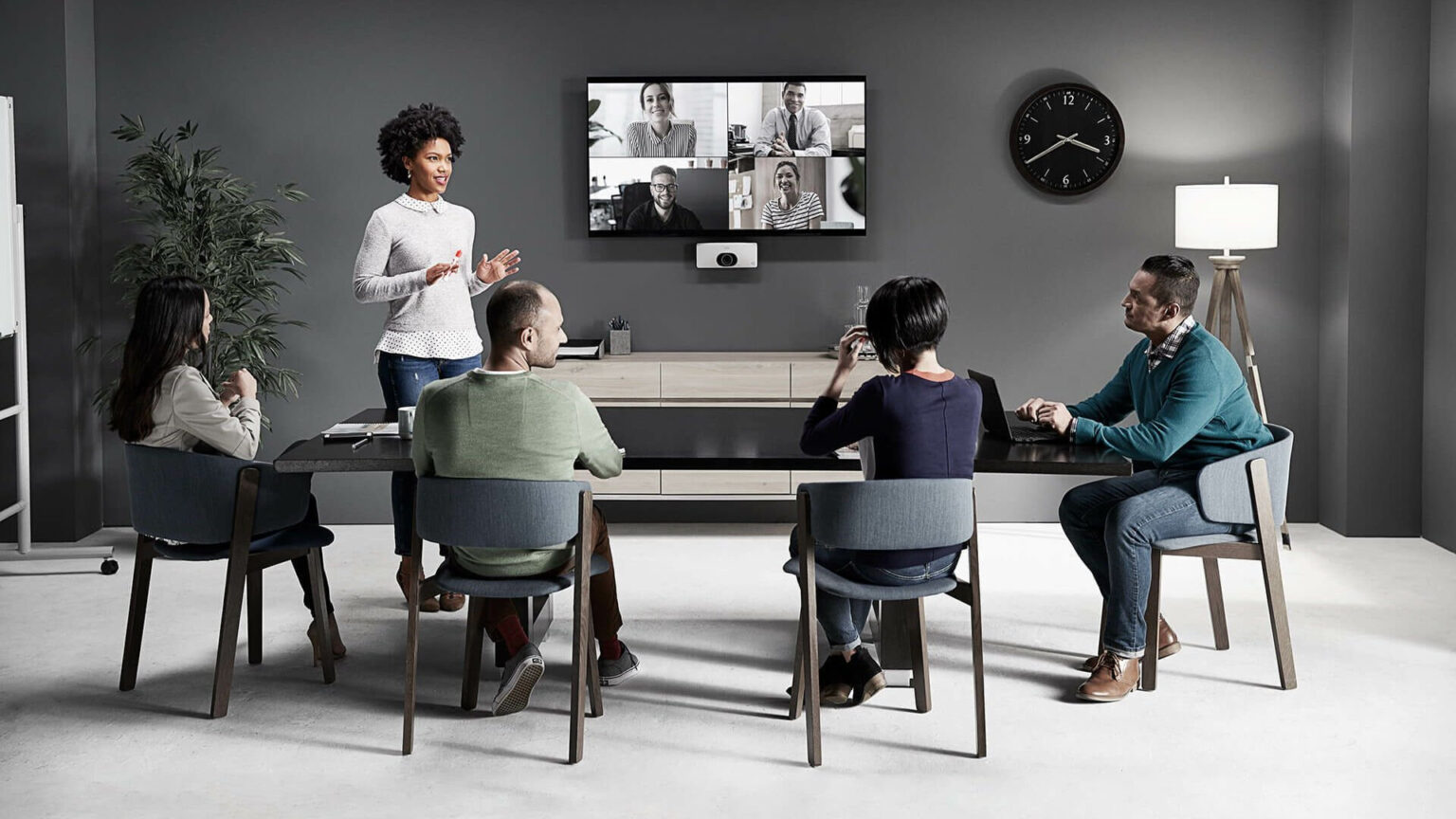
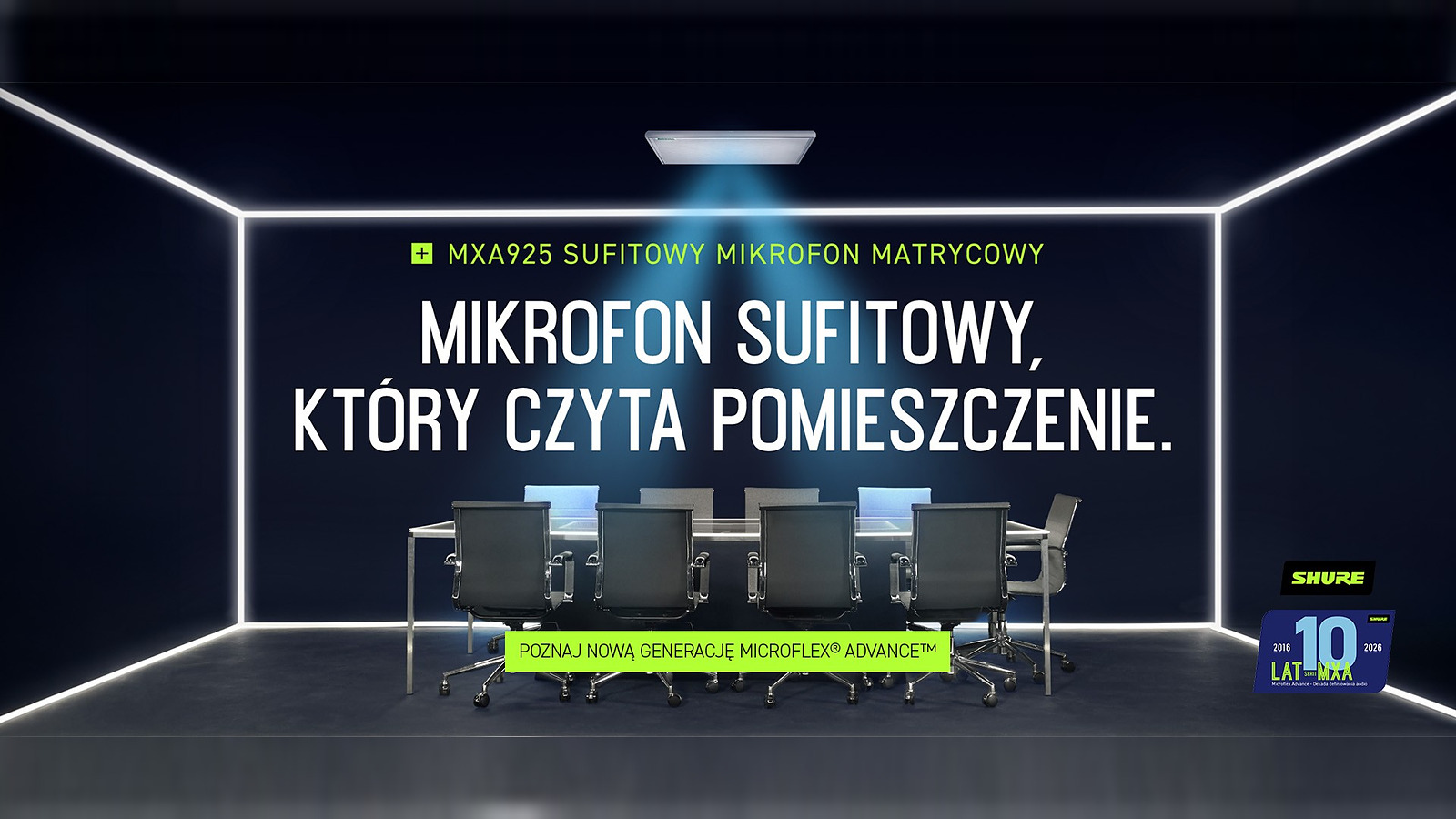
Hybrid meetings have become a permanent part of how companies and institutions work, and their effectiveness depends largely on how clearly the participants in the room can be heard. That is why our design office analyses the room's acoustics – reverberation, air-conditioning noise, how speakers move around – and the placement of microphones, loudspeakers and cameras before PROAV proposes specific equipment. In our video conferencing room designs we now use the Shure MXA925 – the fourth generation of ceiling array microphone with an IntelliMix DSP processor and AI algorithms, which eliminates echo, noise and reverberation directly in the microphone and meets the requirements of IT departments.
A coverage design tailored to the room. Based on a site survey and the room plans, we determine the number of microphones, their positions and the operating mode – automatic or with defined zones – so that every participant is heard clearly. In rooms with difficult acoustics we also point out where acoustic treatment is worth adding.
The microphone as part of the room system. We integrate the MXA925 with video conferencing, PTZ cameras, the sound system and room control, and agree the network requirements with the IT department.
Upgrades and service. In rooms with MXA920 microphones we carry out the replacement using the existing mounting accessories, and after commissioning the client has access to our service department.
Solutions used:
Brands:
Industries:
Intelligible speech regardless of room acoustics. The AI Deverb algorithm detects and reduces reverberation, so speakers sound natural both in acoustically treated rooms and in large spaces with little acoustic treatment, multi-purpose rooms and open-plan areas.
Echo-free conversation from the first minute of the meeting. AI AEC echo cancellation works instantly, without the room adaptation period required by conventional solutions. It remains effective even when participants move around the room or when loudspeakers are close to the microphones.
Reduced ambient noise. AI Denoiser filters out air-conditioning noise, sounds from the corridor and keyboard clatter in real time. Compared with traditional noise reduction, the result is more natural and free of audible artefacts.
Fewer devices in the installation. Audio processing takes place in the microphone itself, without external processors. This means a simpler installation, fewer system components and a shorter signal path.
Quality that improves during use. Shure continually refines its algorithms, and future software updates can improve audio quality without replacing hardware.
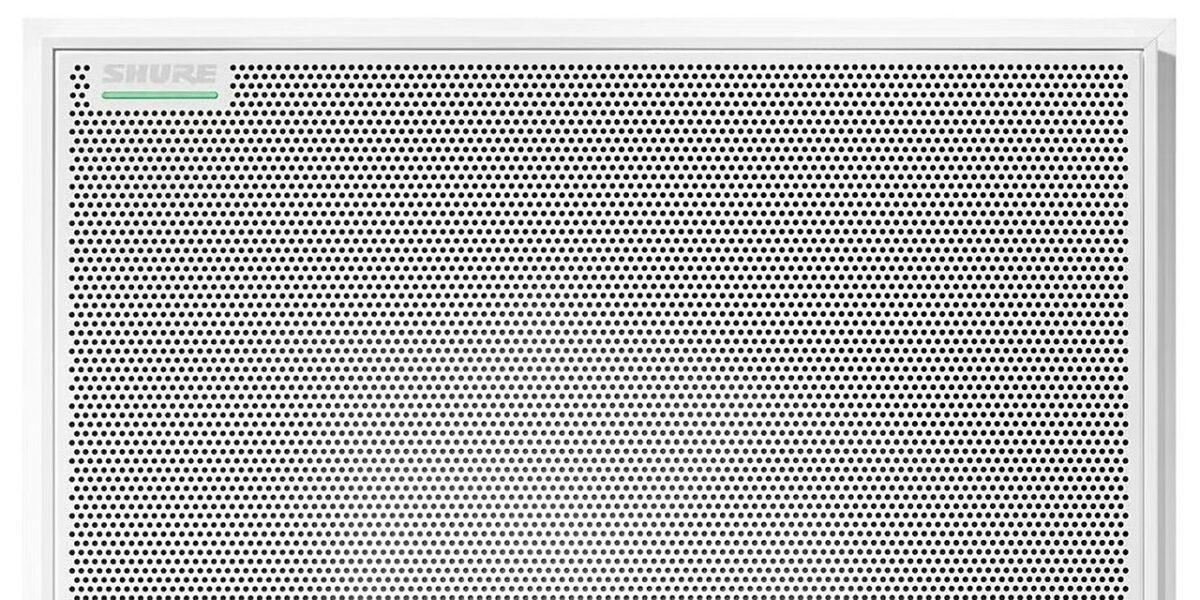
Designed to fit the interior. The microphone is available in round and square versions (24″ and 60 cm), in white and black, and can be painted. The square version is UL2043 certified for installation in plenum spaces.
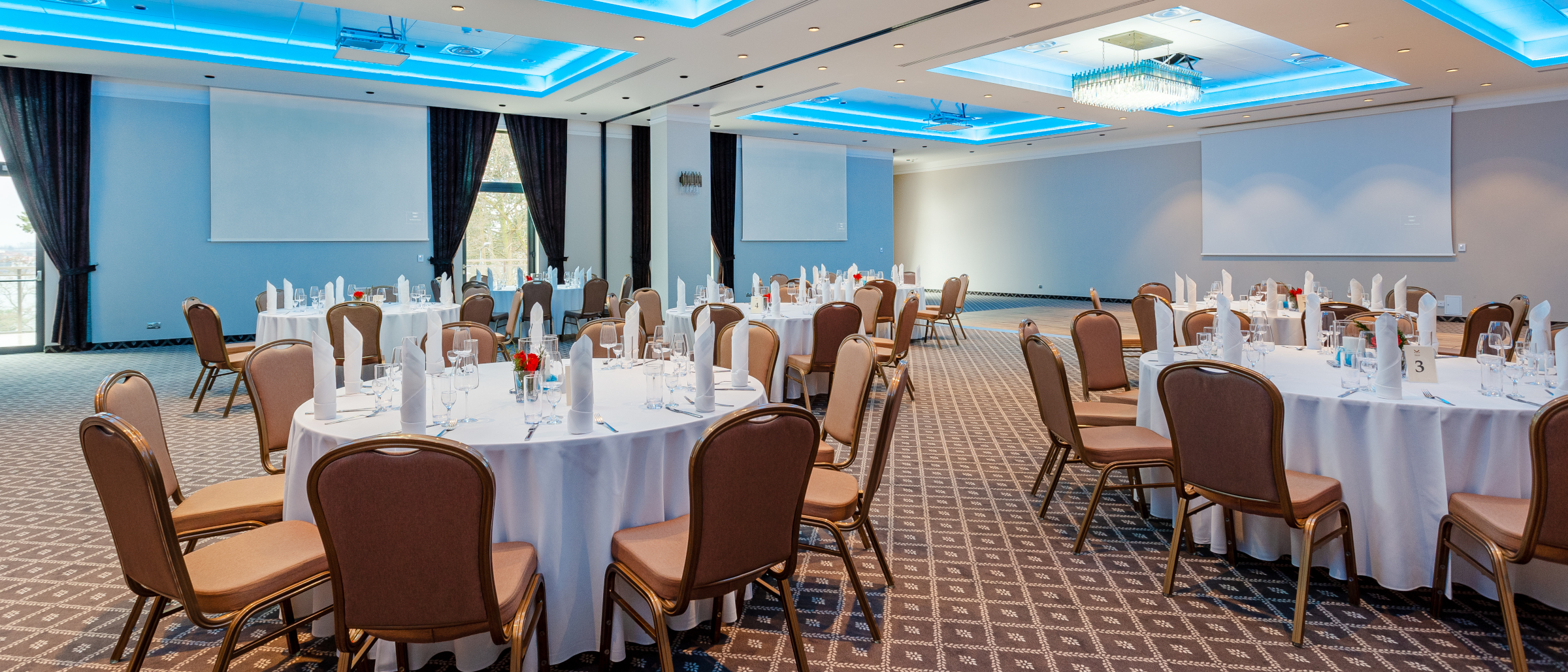
Hotels. In conference and multi-purpose rooms used for different purposes, automatic coverage mode works without manual configuration, while in more complex layouts the room can be divided into independent coverage areas. Hotel chains can also monitor devices remotely and update software across many properties at once via the ShureCloud platform.
Public administration. 802.1X authentication, AES-256 audio encryption, Secure Boot and two network ports to separate audio and control traffic meet the security requirements for systems in government offices and council chambers.
Higher education. In lecture halls, the lecturer can move freely around the room without any loss of audio quality. Integration with PTZ cameras and the voice lift function support hybrid classes and lecture streaming.
We start from the way meetings are run and the layout of the room, and we test the microphone placement and configuration in real conditions before handing the room over to its users.
A typical conference room. One microphone in Automatic Coverage mode is usually enough, covering an area of 9 × 9 m without manually setting up lobes. The room is ready for use straight after installation and connection.
Large multi-zone rooms and lecture halls. We design these in Steerable Coverage mode, which allows up to eight coverage areas to be defined, each with its own audio output. Precise zone separation limits signal bleed, which matters for voice lift and automatic camera tracking.
Rooms with several microphones and PTZ cameras. We use the Optimize Tracking function, which combines location data from several MXA925 microphones to pinpoint the positions of speakers more accurately. The system reports the positions of several people at once, so camera shot switching is smoother.
Which video conferencing platform will the room use? Microsoft Teams Rooms certification covers the MXA925 together with the P300 processor, the ANIUSB-MATRIX interface or IntelliMix Room software, and the MXN5 loudspeaker. We select the remaining elements of the audio chain at the design stage.
At what stage do we involve the IT department? 802.1X authentication, AES-256 encryption and the separation of audio and control networks need to be agreed with the network administrators. Remote management via ShureCloud is based on a My Shure ID account.
Does the room need camera tracking or voice lift? The answer determines the choice of operating mode, the number of microphones and how they are positioned.
Will the room be divisible or will its layout change often? In multi-purpose and divisible rooms we plan coverage zones and control scenarios for each configuration, so that changing the layout does not require the microphones to be reconfigured.
Does the organisation already use MXA920 microphones? The MXA920 is being discontinued. The MXA925 uses the same mounting accessories, which makes upgrading existing rooms simpler.
Planning a room for hybrid meetings?
We design and deploy audio systems for conference rooms, lecture halls and council chambers – we start by analysing the acoustics and the way meetings are run, and we agree the solutions with your IT department.