Control room with an LED screen


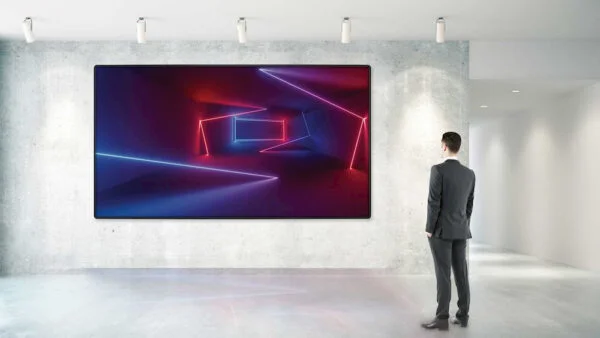
Dispatch centre, monitoring centre or data analysis centre – every control room relies on a shared screen where the team brings together information from many systems and makes decisions based on it. PROAV's design office selects video walls for these rooms based on viewing distance, the number of sources and the way operators work, and after commissioning they are looked after by our service department. Increasingly, we recommend an LED screen driven by a Datapath controller. The screen delivers a uniform, seamless image with high brightness, and the controller allows any source to be displayed anywhere on the screen at any size – from charts and reports to camera feeds.
A screen matched to the room. We determine pixel pitch, screen size and position based on a site survey and the distance of the workstations, and agree the structure and power supply with the architect and contractors.
Screen and controller as one system. We plan the screen resolution, controller outputs, signal sources and operator workstations together, and integrate the wall with the room control system and the software the team uses every day.
Continuity after commissioning. We build redundancy into the design, train operators and administrators, and PROAV's service department supports ongoing operation.
Solutions used:
Brands:
Industries:
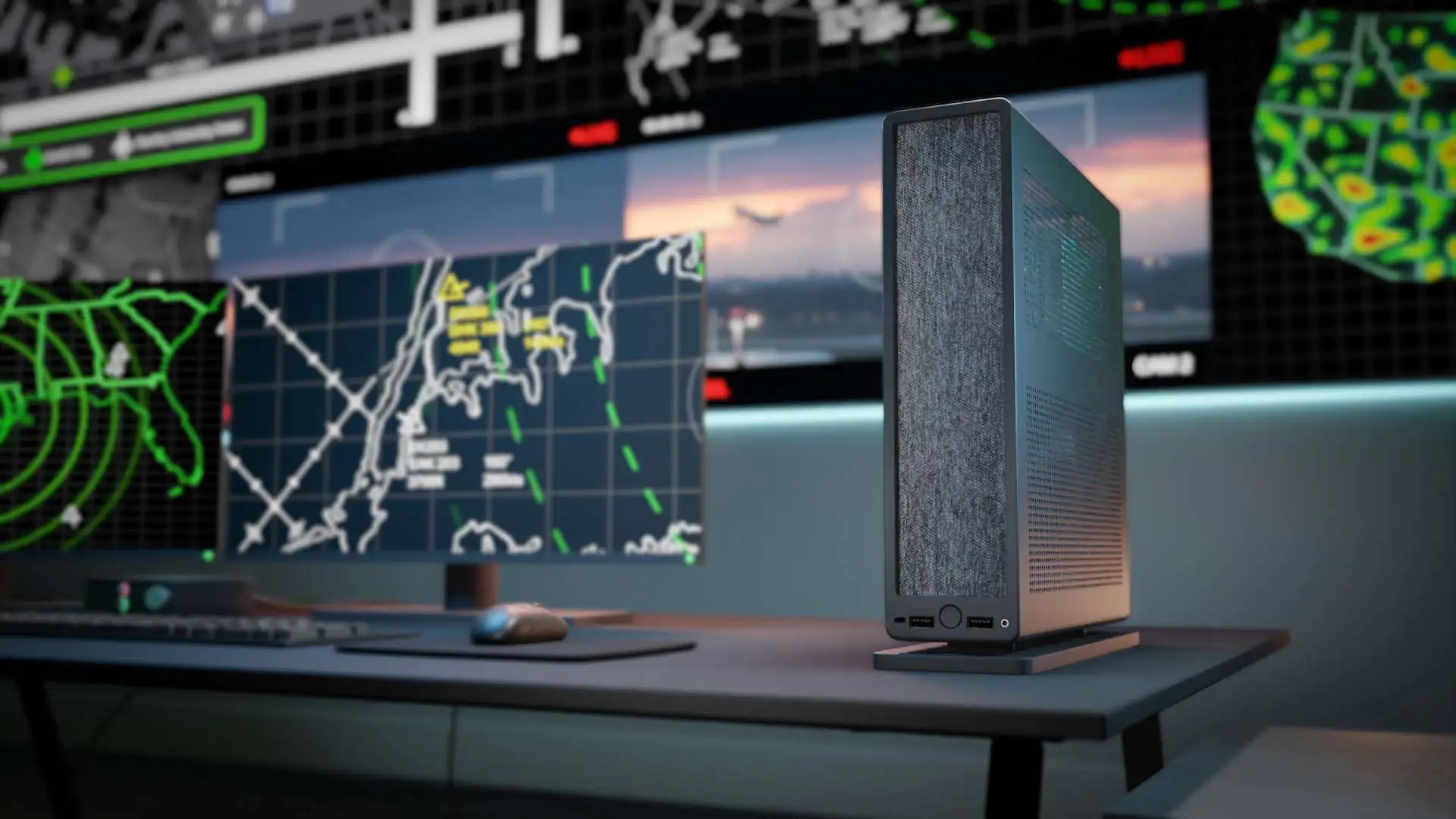
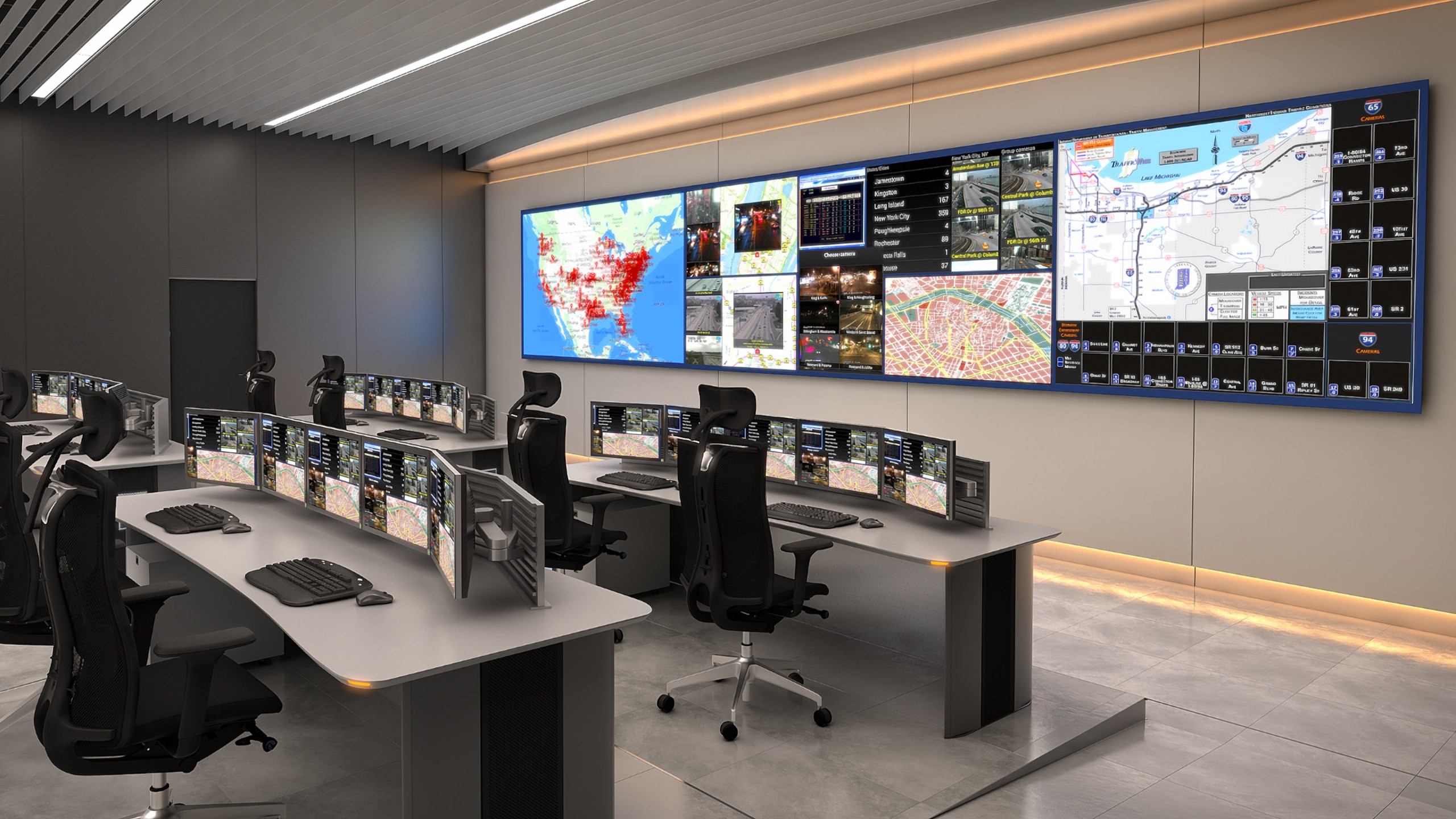
A seamless image. An LED screen forms a single, uniform surface. Charts, tables and maps stretched across the full width are not cut by display bezels, which makes them easier to read from every workstation.
Brightness and contrast in a well-lit room. LED displays achieve high brightness and deep blacks, so colours and fine markings remain legible even in daylight and under workstation lighting.
Scalability and simple servicing. A screen built from modules can be enlarged or adapted to an irregularly shaped wall, and a damaged module can be replaced without dismantling the whole screen. For short viewing distances we offer screens with a 0.9 mm pixel pitch – the finest in our range.
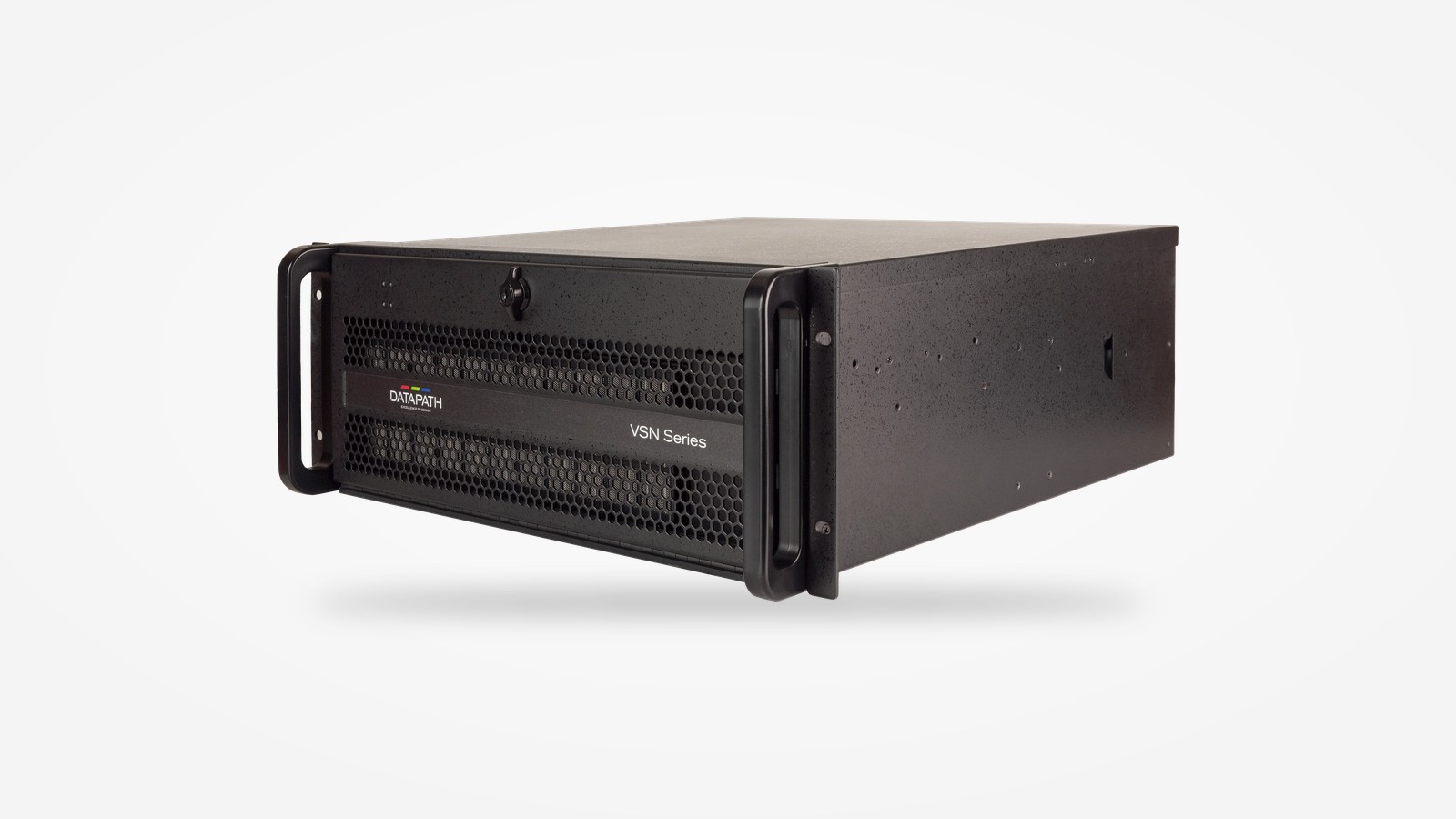
Any source, anywhere. Datapath VSN series controllers accept HDMI, DisplayPort and SDI signals as well as IP streams, and position them on the screen with pixel-accurate mapping. Operators can save a content layout and recall it with a single command – one for everyday work, another for situations that require a response.
IP cameras without loss of smoothness. ActiveSQX cards decode H.264 and H.265 streams in hardware, so the controller can handle a large number of cameras without loading the computer. Integration of WallControl 10 with Genetec Security Center and Milestone XProtect makes it possible to send a camera image to the screen directly from the VMS interface.
Managing the entire room. The Aetria platform covers walls, signal routes, KVM and operator permissions, and the administrator manages the system remotely without interrupting operators' work. The Aligo system transmits video over a 10 Gb network, and the IP KVM function lets operators work on source computers from any authorised workstation.
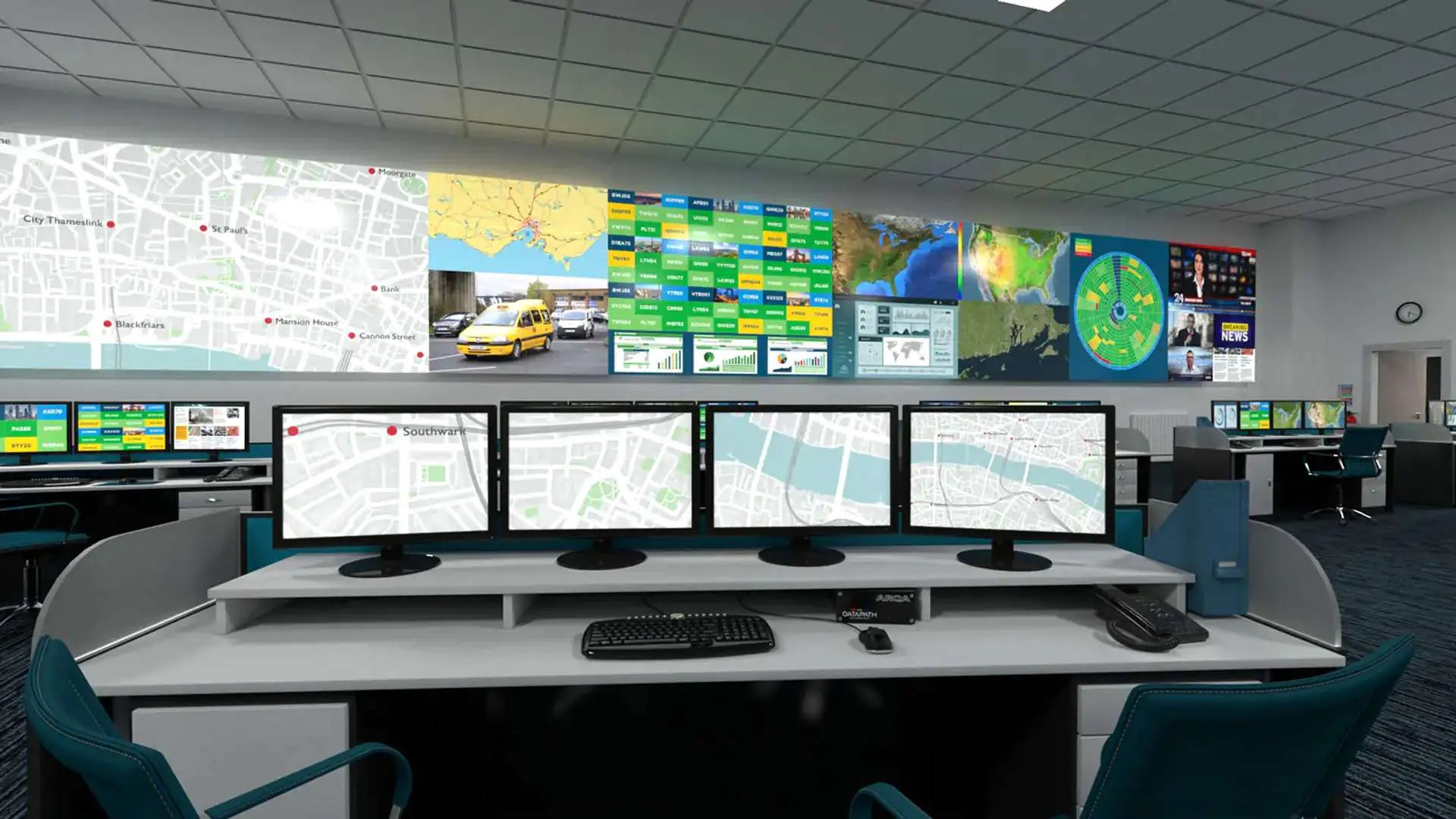
Industry, Energy and Transport. In the dispatch centres of industrial plants, network operators and transport companies, the LED screen brings together data from SCADA systems, network maps and camera feeds, and predefined layouts allow a quick switch from routine work to handling an outage.
Business / Corporate. In data analysis centres and corporate operations rooms, the screen shows sales indicators, reports and dashboards from many applications at once, and in IT and headquarters security monitoring centres – the status of infrastructure and CCTV images.
Uniformed services. In command and duty centres, a shared screen shows maps, priority cameras and messages, while permissions restrict access to images from high-security areas.
Public administration. In crisis management and city surveillance centres, one team monitors information from many locations, and adding further sources does not require replacing the controller.
LED screen. We choose the pixel pitch according to the distance of the nearest workstation, and the screen size according to how much content must be visible at once. The shorter the viewing distance, the finer the pitch must be for text and charts to stay sharp.
Controller. The number of inputs and decoder cards is determined by the sources – computers, applications and cameras. As a starting point we recommend 4K resolution for each controller output, with spare capacity for further sources.
Network. When distributing video via Aligo, we plan a dedicated 10 Gb AV network managed from an Aetria Network Manager appliance, and separate the camera network from the workstation and server network.
Headroom for growth. We plan expansion with a five- to ten-year horizon, so that new sources and workstations do not require replacing the screen or controller, or rebuilding the room.

What data and images need to go on the screen? The list of applications, computers and cameras determines the controller configuration and the spare capacity for expansion.
From what distance will the screen be viewed? We check workstation distances, room size and lighting during the site survey, as they determine the pixel pitch and screen size.
How should the wall be prepared for the screen? We agree the supporting structure, power supply and service access with the architect and contractors at the interior design stage.
Which scenarios should the screen support? For each one we prepare an image layout that can be activated with a single action.
Which operators should see which sources? We configure permissions for sources and screens individually.
At what stage should the IT department be involved? We agree network segmentation, transmission encryption and access control with the administrators at the concept stage.
Does the control room have to keep running in the event of a failure? On this basis we plan redundant power supplies and controllers and, if necessary, a backup site.
An LED screen for your control room
We start every video wall project with a site survey and an analysis of the sources, and finish with a commissioned screen, controller and software ready for future expansion.